
Physical Activity, Exercise & Training
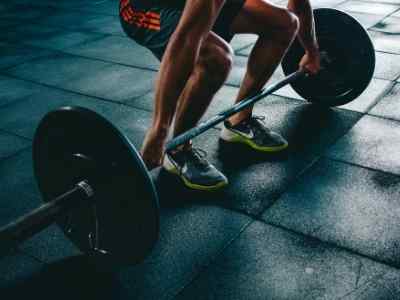
Physical Activity, Exercise, and Training are three very different things that are often confused as being the same thing. It’s important we understand the differences between those three when it comes to our purposes in the clinic and rehabilitation. Knowing the differences may mean you have a successful experience when dealing with health improvement.
History of physical activity, exercise and training
Our ancestors, even as little as 100 years ago, worked really hard physically. Outside of competitive athletic endeavours and warfare, there was no real need to have to think about adding any more stress to your body than what your daily life already asked of you. Both men and women were on average much more physically resilient, because their lives demanded it.
Today’s physical activity, exercise and training
Your life in 2020 whatever doesn’t physically demand much from you. So now you have to actually think about adding some physical stress to your life, so you don’t deteriorate into uselessness. Out of this necessity, came the need for physical stress that can be categorised into three distinct groups being physical activity, exercise, and training.
Disclaimer: This is for Educational Purposes Only
Let me take a quick intercession to inform you as to the nature of our advice. We are experienced, healthcare clinicians. We wish to share our experience with you on topics to do with your health. We may be a little colourful in doing so, but at the heart of what we do is in-the-trenches experience. Whilst we have achieved academic success and understand the evidence, we are not solely evidence-based. We are, however, EVIDENCE INFORMED.
We find that the evidence is usually 10-15years (at minimum) behind what we are seeing in the clinic. We see real people, with real problems, and we’ve made a great living out of offering real solutions.
If all you’re after is the researched evidence, you can find some on Google Scholar, or you can very easily look for more on Google. We want to give you real-life advice, most of which you may not find in the research.
What is physical activity?
Physical Activity is the act of you surviving and being alive. When you get up in the morning and you brush your teeth, have a shower, go downstairs, have a cup of coffee, go to work, come home, have some dinner, go to the bathroom. You check your watch and you’ve done twelve thousand, maybe fifteen thousand steps. That’s great! That’s physical activity. That’s just you getting around for survival, we call that physical activity. It’s simple really and it’s the most basic form of movement. It takes very little thought and the minimum amount of effort on your part. But it also offers the minimum amount of return. That is not what we would classify as exercise.
What is exercise?
Exercise on the other hand is when you perform a set of movements or a workout for the sake of that workout on that particular day. The results of that workout lead to no specific place other than the physical stress and its consequences on that day. It’s generally random and is not programmed for any specific purpose other than performing that day’s exercise.
How you can exercise
You’ve burnt a few calories, you’ve jumped on the bike, and thrown the dumbbells around a little bit, but there’s no particular end goal or purpose. You’re just exercising. You’re moving around and you’re getting up a sweat. Now there are harder forms of exercise like maybe boot camp, or pump class, or F45 or CrossFit. These activities can be physically more demanding, but they’re random workouts none-the-less and therefore, EXERCISE! Now I can see all the CrossFitters going crazy,” oh I train bro.” NO! You don’t train, YOU EXERCISE! Your random workouts of the day are exercise. There are competitive cross-fitters who train for CrossFit competition, but they train to compete specifically in CrossFit events. They have specific things that they need to do that get them closer to their end goal for the CrossFit performance. And this brings me to my final point of what training is.

What is training?
Training is performing a workout that most efficiently brings you closer to a preconceived target or goal. This goal is usually quite specific and therefore requires specific programming of each workout. For example, if we set the goal of running a marathon, every time you perform a workout, it has to be done in the most efficient way to get you closer to the goal of you running the marathon. If you’re training to compete in a tennis tournament, your training each and every time you do it has to be done in the most efficient way to get you closer to that tennis performance.
If you’re just doing random sets of exercises you’re exercising, you’re not training! Now it’s important we understand the differences in the clinic with regards to injury, because we want you to have a training mindset, we want you to reach a specific goal with your rehabilitation, we program things for you so that every time you workout you get closer to that specific goal.
Rehabilitating your injuries
For our purposes when it comes to rehabilitating your injury in the clinic, physical activity is almost like asking us NOT to help you. You may as well resign yourself to the fact that you’re going to get hurt again because you’re not adapted to any added strain to your daily life.
How exercise can hurt your rehabilitation
For most people, exercise is where they’re at, and it’s better than sitting on your ass all day. The problem with exercise is the randomness of it. If random exercise is also performed at high intensity, it can lead to injury and inflammation because there is little control over the stress you place on the body. If you think that the workout of the day (WOD) or the F45 class is programmed with you specifically in mind, think again! That’s why most people don’t last more than three months without some form of injury.
How training helps you recover from injury
Training on the other hand is where we see the best results when it comes to rehabilitation. We can control the movement, the load, the frequency, and the intensity so that it is not only suited to you personally, but done the right way, it can not only help you heal, but make you stronger and more useful than your pre-injury self.
It’s really important you understand the differences between the three and not confuse them. It usually accounts for the difference between successful long-term resolution to injury, or frequent re-injury. Stay Strong!